Ground Shaped for Practical Use
Yard Leveling in Osceola for uneven residential ground that needs reshaping before landscaping or lawn establishment
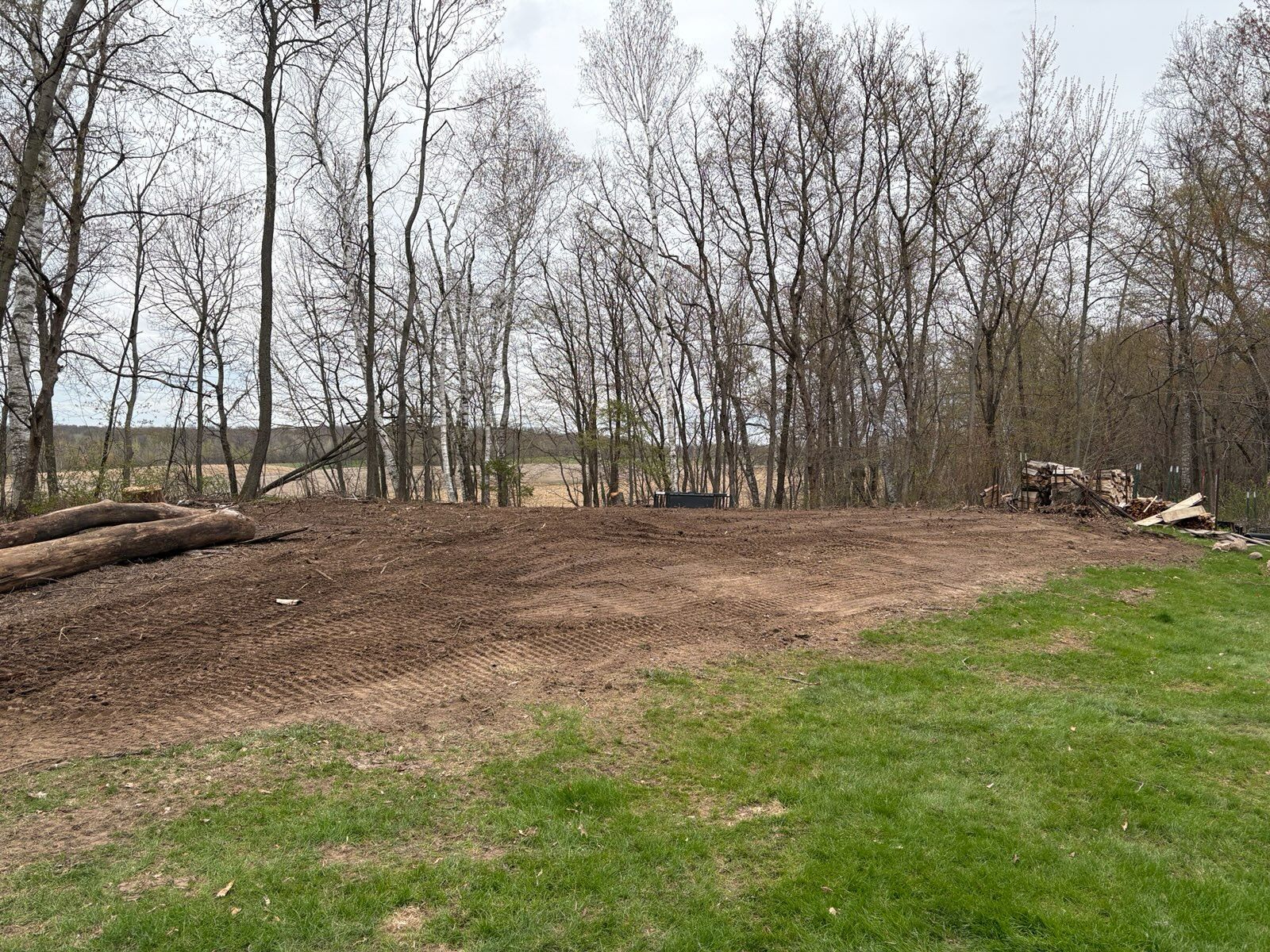
Low spots that collect water, high mounds left by old construction, and uneven slopes that make mowing difficult all interfere with how you can use your yard. Bradway Land Management corrects troublesome contours by redistributing soil and reshaping the ground surface to create a more workable area for lawns, planting beds, or everyday activity. Leveling focuses on improving the grade for usability and preparing the surface for the next phase of work, whether that is seeding grass, installing landscaping, or simply making the yard easier to maintain.
The process involves moving soil from high areas to fill depressions, smoothing out abrupt transitions, and establishing slopes that prevent water from pooling without creating steep grades. Equipment spreads and compacts material to create a stable surface that will not settle unevenly after planting or sod installation. This service addresses cosmetic and functional grading issues but does not replace drainage work when water movement is the underlying concern.
Arrange an on-site consultation to evaluate which sections need reshaping and whether drainage improvements should precede leveling.
The Difference Between Leveling and Drainage Work
Leveling shapes the surface to remove irregularities and create consistent contours, making the ground easier to work with and improving the appearance of residential areas. The work corrects uneven spots caused by settling, grading mistakes, or debris buried during construction. After leveling, you notice that the yard has a uniform appearance, mowing becomes easier without scalping high spots or bogging down in low areas, and the surface is ready for soil amendments and seeding.
When the problem is water pooling or runoff that flows toward structures, leveling alone may not resolve the issue. Drainage work addresses where water goes, using grading strategies that direct flow away from foundations and low spots. If your yard stays soggy after rain or if water moves toward the house, the solution involves regrading for drainage rather than simply smoothing the surface. Leveling improves usability when contours are the issue; drainage work solves problems caused by water movement.
Yard leveling does not include removing old sod, installing irrigation, or bringing in large volumes of topsoil to raise entire sections. The service works with existing soil and modest fill material to refine what is already there. Significant grade changes or projects that require engineered drainage plans involve more extensive site work beyond basic leveling.
Questions Before Starting Your Project
Homeowners preparing to level yards ask about what the work involves, how much change is practical, and what needs to happen after the ground is reshaped to achieve the finished result they are aiming for.
What degree of unevenness can yard leveling correct without major excavation?
Leveling handles depressions and mounds typically up to six inches in variation across small areas, smoothing out the contours by redistributing soil. Larger grade changes or slopes that need to be flattened significantly require more extensive earthwork and possibly retaining structures rather than simple leveling.
How does leveling affect existing vegetation and lawn areas?
The process removes or buries existing grass where grading occurs, so the area will need to be reseeded or sodded after leveling is complete. Tree roots near the surface can limit how much soil is added or removed, and grading too close to trunks can damage root systems and compromise tree health.
When should yard leveling be done to allow time for seeding and establishment?
Spring and early fall are ideal windows because soil can be worked easily and grass seed germinates well in moderate temperatures. Osceola's wet spring conditions may delay work until soil dries enough to support equipment without compacting excessively, while late fall leveling leaves reshaped ground vulnerable to erosion over winter if not seeded promptly.
What preparation is necessary before leveling work begins?
Marking sprinkler lines, utility locations, and any buried obstacles prevents damage during grading. Removing debris, rocks, and old construction material from the surface allows equipment to work efficiently and produces a cleaner finished grade. If the yard includes low-quality fill or organic material near the surface, that may need to be removed before leveling to prevent future settling.
Can leveling be combined with soil improvement or topsoil addition?
Leveling establishes the contours, and topsoil can be spread after grading to provide a planting layer if the existing soil is poor quality. The two tasks are separate—leveling shapes the ground, while soil amendments address fertility and texture. Bringing in topsoil before leveling is inefficient since grading will redistribute whatever material is present.
Bradway Land Management evaluates yard conditions and discusses whether leveling alone will meet your objectives or if drainage and grading services are needed to address water movement before reshaping the surface. Request a property assessment to review site-specific factors and plan the sequence of work that produces a functional, stable yard surface.