Recreational Land That Remains Usable
Hunting Property Management in Osceola for wooded acreage with overgrown trails, thick understory, and limited interior access
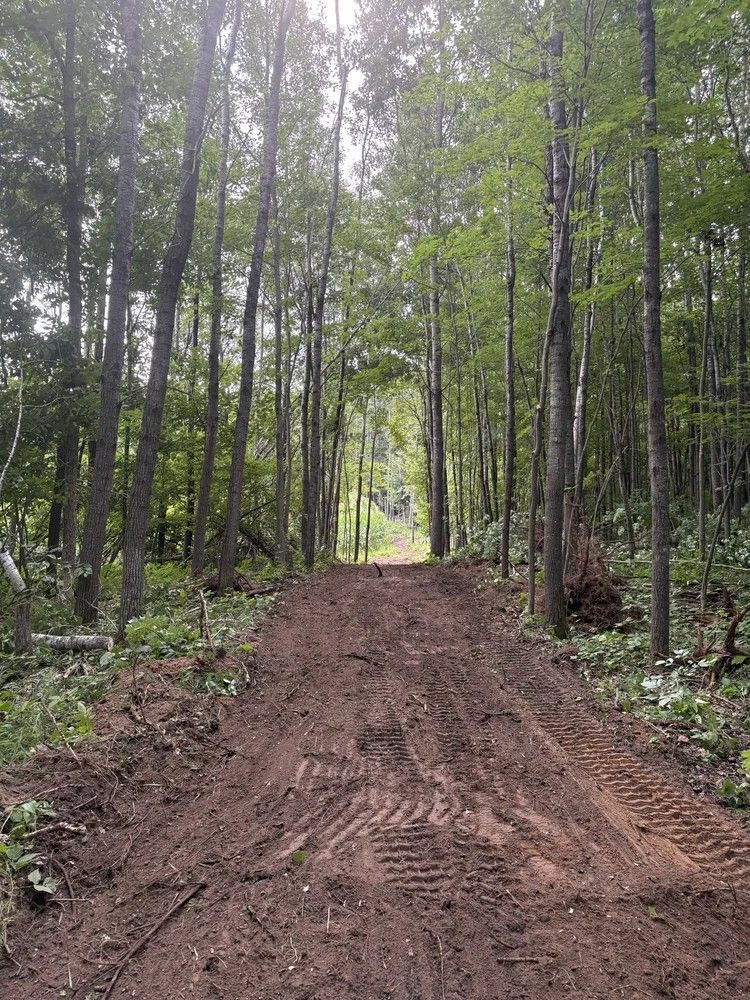
Wooded property becomes difficult to use when trails disappear under fallen limbs and new growth, when thick brush blocks access to interior sections, and when years of unchecked vegetation turn once-open areas into impenetrable thickets. Bradway Land Management clears overgrowth and restores access through forestry mulching, trail clearing, brush removal, heavy-duty mowing, and strategic land clearing. You'll regain the ability to walk or drive into sections of the property that have been inaccessible for years, and maintenance becomes manageable again instead of requiring constant effort against encroaching vegetation.
The work focuses on removing problem vegetation without clearing entire wooded areas—trails get reopened to allow foot or vehicle traffic, thick understory gets thinned to improve sightlines and movement, and brush that's taken over open areas gets cut back to restore usable space. Forestry mulching handles dense brush and small trees efficiently, leaving a layer of mulch that suppresses regrowth and breaks down naturally over time.
Arrange an on-site consultation to review trail access, overgrown zones, and clearing priorities across your hunting property.
How Land Clearing Addresses Overgrowth
Forestry mulching equipment processes brush, saplings, and small trees in place, turning dense vegetation into ground-level mulch that covers soil and prevents immediate regrowth. Trail clearing removes fallen debris, cuts back encroaching brush from established paths, and reestablishes routes that have been overtaken by vegetation. Selective clearing opens specific zones—around food plots, along property boundaries, or in areas where thick understory limits visibility and movement—without removing mature trees or altering the character of wooded sections.
Once clearing work completes, trails become passable again for vehicles or foot traffic, interior sections of the property are accessible without cutting through thickets, and previously overgrown areas return to usable condition. Ground-level mulch left by forestry equipment suppresses new growth for a season or more, reducing how quickly cleared areas revert to dense brush.
Projects vary based on property size, vegetation density, and how much acreage needs clearing versus maintenance. Some properties require extensive mulching to reclaim overgrown sections, while others need only trail maintenance and selective thinning. The approach adjusts to current conditions and how you intend to use the land, with clearing concentrated where access and visibility matter most.
Answers to Frequent Service Questions
Property owners often want to know what the process involves and how cleared land changes over time.
What size vegetation can forestry mulching equipment handle?
Forestry mulchers process brush, saplings, and trees up to six or eight inches in diameter depending on equipment specifications, turning woody material into mulch that's left on the ground rather than hauled away or burned.
How does trail clearing differ from full land clearing?
Trail clearing focuses on reopening specific paths by removing debris and cutting back encroaching vegetation from established routes, while land clearing removes vegetation from larger areas to reclaim overgrown sections or create new open zones within wooded property.
What happens to cleared areas if no follow-up maintenance occurs?
Vegetation begins returning within a season—fast-growing species sprout from roots or seeds first, and within two to three years, cleared areas may return to conditions similar to before clearing unless some level of mowing or brush control is applied periodically.
Why does understory thickness vary so much across wooded properties?
Sunlight penetration, soil moisture, and previous land use all affect how thick understory vegetation grows—areas with partial canopy cover and disturbed soil tend to develop dense brush, while mature forests with closed canopies often have relatively open understory with less problem vegetation.
When is the best time to schedule clearing work on recreational land?
Late fall through early spring is typically ideal because vegetation is dormant, ground conditions are firmer after summer growth stops, and the work doesn't interfere with active use of the property during peak seasons.
Bradway Land Management handles vegetation and access problems on hunting and recreational properties. Contact the team to assess overgrowth, plan trail improvements, or discuss clearing priorities based on how you use the land.