Overgrowth Control for Acreage and Fields
Heavy Duty Mowing in Osceola for tall grass, weeds, and brush that exceed ordinary lawn-maintenance capacity
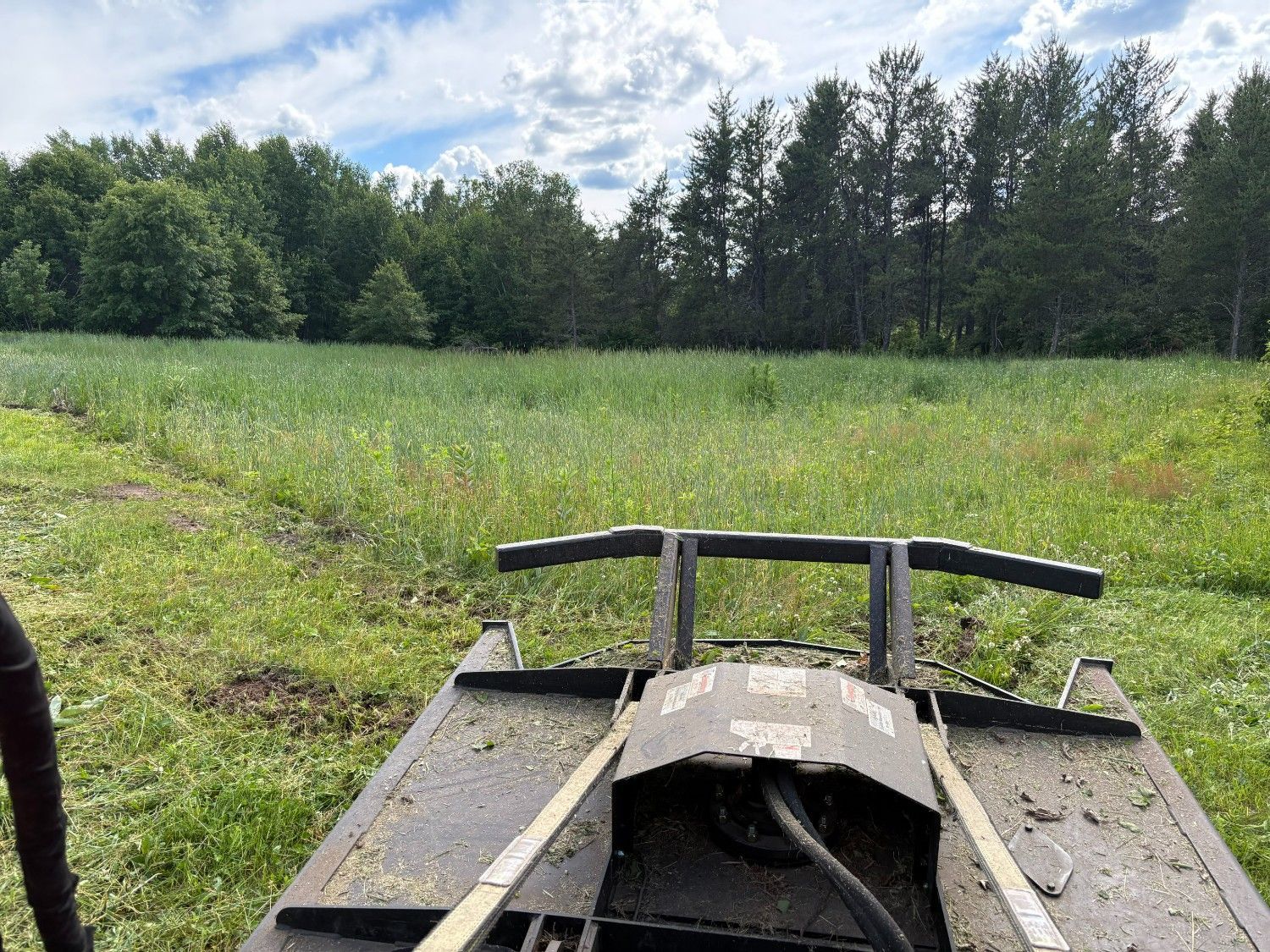
Fields left unmowed for a season turn into stands of waist-high grass, thistle, and volunteer saplings that standard lawn equipment cannot touch. Heavy-duty mowing addresses vegetation that has grown beyond normal height and density, cutting down growth that restricts access, harbors ticks and rodents, and makes property edges unmanageable. Bradway Land Management uses mowing equipment designed for rough terrain and thick stems, handling acreage, neglected areas, property boundaries, and sections where controlling growth is necessary before the land can be used or maintained regularly.
This service cuts vegetation down to a manageable height, processing stems and stalks that would jam residential mowers and handling uneven ground that makes conventional mowing dangerous or impossible. The equipment cuts through mixed growth including tall grasses, broadleaf weeds, and brush up to small sapling size, leaving the area cleared but not graded or finished to lawn standards.
Request a detailed estimate based on acreage and vegetation density to understand what clearing the property will involve.
What You Notice Once Heavy Vegetation Is Cut
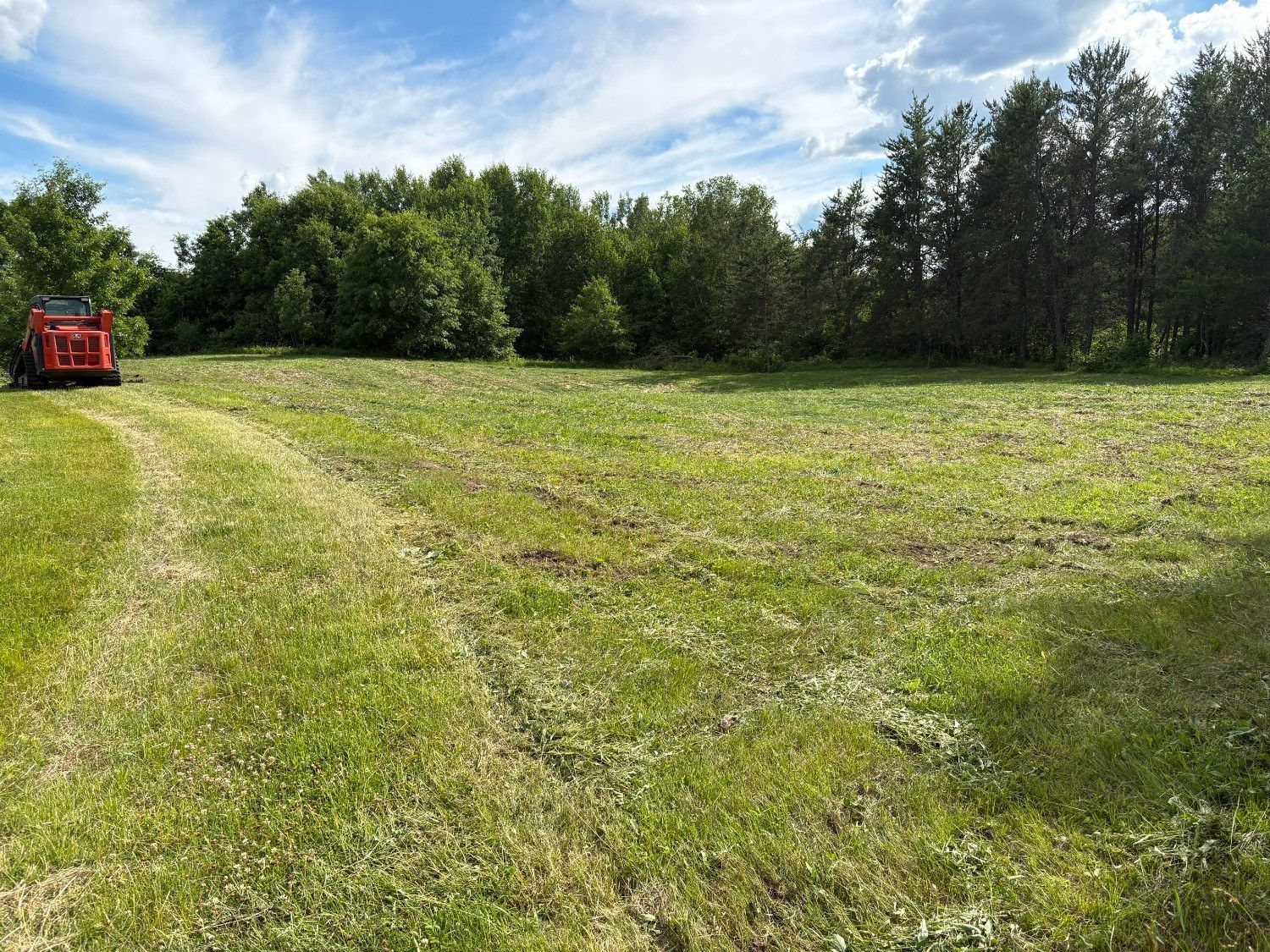
After heavy-duty mowing, the land returns to visibility—you can see across fields, walk property lines without pushing through growth, and identify features like fence posts, drainage ditches, or structures that were hidden. The mowed surface is not lawn-smooth, but it is low enough that standard equipment can take over for ongoing maintenance if you choose to keep the area managed. Rodent cover is eliminated, fire risk from dry standing vegetation is reduced, and the property looks controlled rather than abandoned.
Cut material is left in place and breaks down over time, returning organic matter to the soil. In Osceola's climate, material mowed in late fall decomposes through winter and does not interfere with spring regrowth if the area is seeded or maintained. Properties mowed mid-season may show regrowth within weeks, requiring follow-up mowing if the goal is to suppress vegetation rather than simply knock it down once.
Heavy-duty mowing does not remove roots, grade uneven ground, or turn rough acreage into finished lawn. If the area includes significant brush with established root systems, repeated mowing will be necessary to exhaust regrowth, or brush removal may be a more efficient approach. Mowing works best for controlling herbaceous growth and light woody stems across larger areas where hand-clearing or targeted removal is impractical.
Common Questions About This Service
Property owners dealing with overgrown acreage or neglected fields ask practical questions about how heavy-duty mowing differs from other clearing methods and what results to expect after the work is complete.
What vegetation height and density can heavy-duty mowing handle effectively?
Equipment used for this service cuts growth up to six feet tall and handles stems up to two inches thick, including mixtures of grass, weeds, and light brush. Growth beyond that range or properties with dense stands of woody saplings may require brush removal or mulching equipment instead.
How does mowing rough terrain differ from maintaining an established lawn?
Heavy-duty mowers are designed for uneven ground, rocks, and debris that would damage residential equipment. The cut height is higher than lawn mowing, typically leaving stubble several inches tall, and the finish is rough rather than manicured since the goal is vegetation control rather than appearance.
When should acreage be mowed to reduce regrowth and control invasive plants?
Mowing in late spring before seed heads form prevents many weeds from spreading, while fall mowing reduces cover for overwintering pests and knocks back growth before winter. Properties mowed once per season stay more manageable than those left to grow unchecked for multiple years.
What happens to the cut vegetation after heavy-duty mowing?
Material is chopped and left on the ground where it decomposes naturally, acting as mulch that suppresses some regrowth and returns nutrients to the soil. Removal is not standard practice for large acreage since hauling away tons of green material is impractical and unnecessary for most land management goals.
Can heavy-duty mowing transition neglected land into something easier to maintain long-term?
Initial mowing brings overgrowth under control and allows you to assess ground conditions, decide whether to seed or plant, and begin regular maintenance with standard equipment. Repeated mowing over one or two seasons weakens persistent weeds and reduces the seed bank, making future management less intensive.
Bradway Land Management evaluates site conditions to determine whether mowing alone will meet your land management objectives or if additional clearing services are needed. Schedule a property evaluation to review vegetation type, acreage, and how the cleared land will be used after initial mowing is complete.