Paths That Make Your Property Usable
Trail Clearing in Osceola for wooded and overgrown properties where access and recreation require navigable routes
Thick saplings, fallen branches, and undergrowth make entire sections of wooded property inaccessible, cutting off trails that once connected clearings or provided walking routes through timber. Bradway Land Management clears obstructing vegetation to establish practical paths suited to how you need to move across your land—whether for recreation, maintenance access, or managing sections that would otherwise remain isolated. Osceola area properties with mature woods or recovering fields often lose old trails to regrowth, and reclaiming those routes involves more than trimming back edges; it requires removing root systems and debris that prevent long-term use.
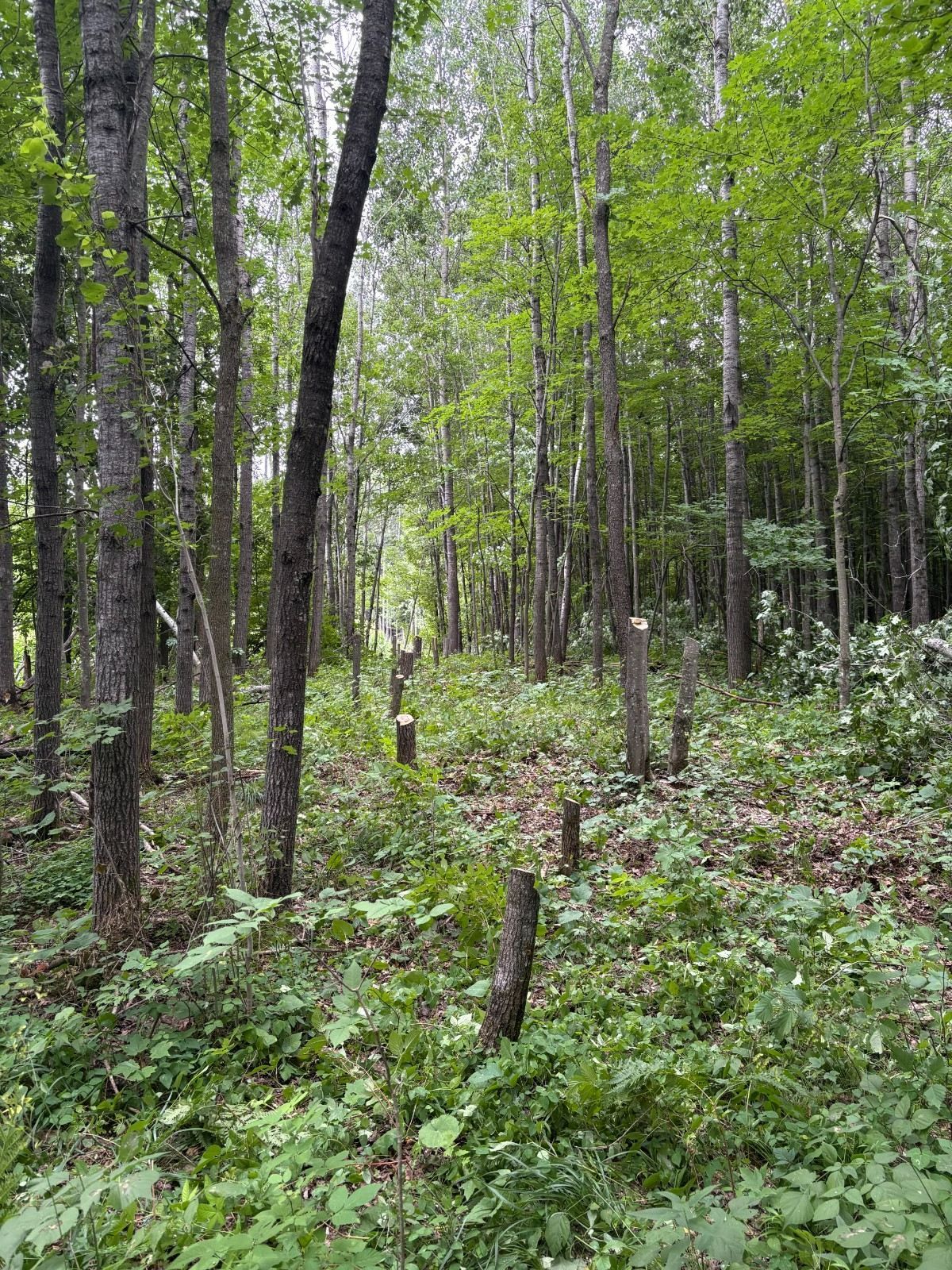
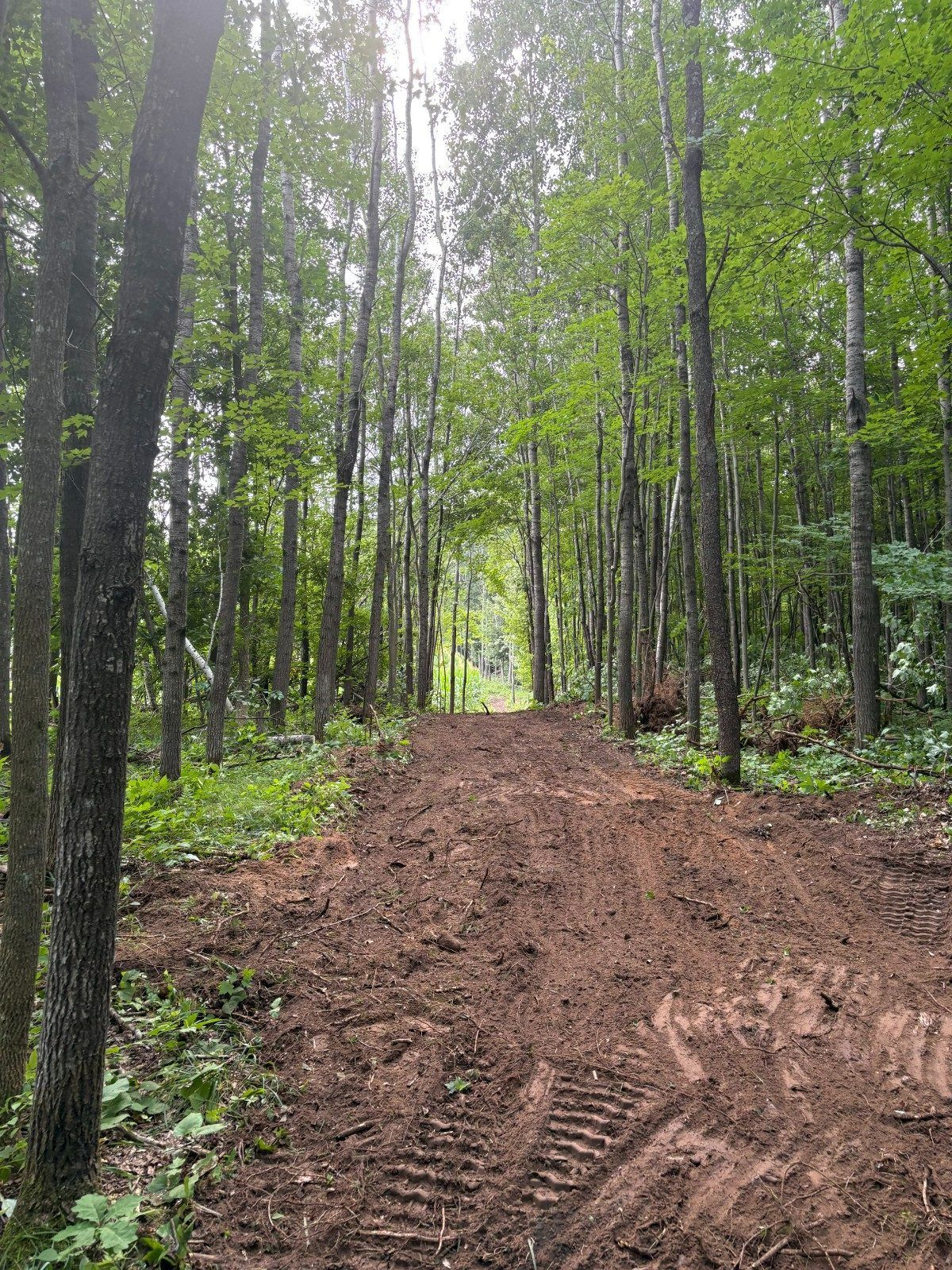
Trail clearing removes the woody growth and obstacles that block passage, cutting vegetation low enough that walking or driving a utility vehicle becomes possible again. The process includes clearing width based on intended use, removing stumps or protruding roots that create trip hazards, and shaping the trail corridor so vegetation does not immediately encroach from the sides.
Arrange an on-site consultation to map out which routes make sense for your property and how much clearing is required to establish durable paths.
Why Proper Trail Work Requires More Than Cutting
Clearing a trail means addressing both the vegetation in the path and the factors that determine whether the route stays usable. This includes removing root crowns that resprout quickly, grading uneven sections where water pools, and ensuring the cleared width accommodates your intended use without ongoing maintenance battles. A trail cut too narrow closes back in within one growing season; a trail graded improperly becomes a drainage channel that erodes into an impassable gully.
Once the trail is cleared, you notice firm footing, clear sightlines, and the ability to walk or drive without dodging branches or climbing over deadfall. The path becomes a functional feature of the property rather than a concept you remember from years ago. Vegetation at the edges is set back far enough that shade and air circulation slow regrowth, and the surface is stable enough for regular foot traffic or light vehicle use depending on how the trail was shaped.
Trail clearing does not include building hardened surfaces, installing culverts, or constructing boardwalks over wet areas. If sections of your intended route cross swampy ground or require drainage structures, those elements need separate attention. The service focuses on vegetation removal and basic surface preparation, creating a usable route where the land naturally supports travel.
Answers to Frequent Trail Questions
Property owners establishing or reclaiming trails ask practical questions about what the work involves, how long cleared paths last, and what ongoing maintenance looks like after initial clearing is complete.
How wide does a trail need to be cleared to stay open without constant maintenance?
Walking trails typically require a six- to eight-foot cleared width to allow passage and slow side encroachment, while trails meant for ATVs or utility vehicles need ten to twelve feet to prevent branches from scraping equipment and riders. Narrower clearing saves time initially but requires more frequent trimming to remain usable.
What factors determine whether a cleared trail stays passable through wet seasons?
Trails crossing low spots or clay soils become muddy channels unless the route is adjusted or the surface is crowned to shed water. In Osceola's wet spring conditions, trails that follow natural ridges or are graded with slight camber remain firm, while routes cut straight through low ground turn into seasonal obstacles.
What happens to the cleared brush and debris from trail corridors?
Material is typically moved off the trail path and scattered in adjacent woods where it decomposes naturally, or chipped and used as trail surfacing if the volume and equipment make that practical. Removal off-site is an option when debris piles would block views or create fire hazards near structures.
How soon does vegetation start growing back into a cleared trail?
Regrowth begins within weeks during the growing season, but trails used regularly stay open longer because foot traffic and occasional trimming suppress new shoots. Trails that sit unused through summer often require touch-up clearing by fall as saplings and shrubs reestablish quickly in disturbed soil.
Can trail clearing connect to existing paths or create loops through property sections?
New trails can be designed to link clearings, existing roads, or natural features like ridgelines and creek overlooks. The routing depends on terrain, obstacles like large trees or rock outcrops, and whether the land supports the intended path without excessive grading or drainage work.
Bradway Land Management walks properties to evaluate which routes are practical and what clearing will accomplish based on terrain and vegetation density. Contact the company to discuss trail objectives and review site-specific conditions that affect how paths are established and maintained over time.